
Concrete is one of the most durable mixtures out there, so one may wonder why maintenance is important if it’s such a tough surface. As with any other surface around your home, maintaining concrete properly will extend the lifetime and reduce the severity of cracks and unevenness.
The goal for concrete is to have a nice clean look, avoiding oil stained and griminess. In addition to standard concrete, most contractors offer decorative concrete, which can look the same after years of use as it did when it was brand new.
As the spring is beginning to hit the KC area, you may be itching to replace that pool slab, driveway concrete, porch/patio concrete, or expand onto an existing area. Now is the time, but take the opportunity to learn how to properly maintain concrete and increase the longevity of the surface. If you do, it will last longer and save you money on repairs. If the surface is not properly maintained it will be a costly nuisance and take away from your home’s appeal and value. Let’s check out some easy ways on How to Properly Maintain Concrete so we can ensure your surface looks as good as it did on Day #1.
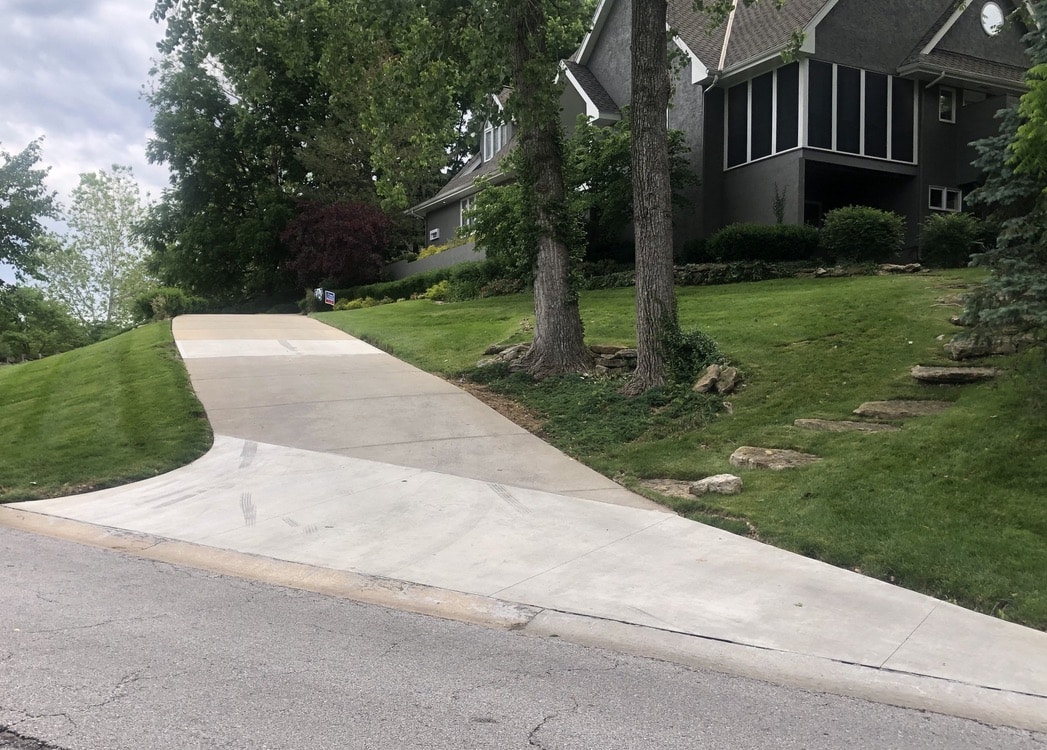
- Sealing Your DrivewayAn easy and effective way to maintain your concrete driveway is by sealing it. Concrete is a porous material, and should be sealed to eliminate the amount of moisture that enters the concrete to reduce cracking and damaging it. Weather around Kansas City can flip at a moment’s notice… ice, rain, hail, snow, drought… and repeat, which can really wreck havoc on your concrete. Sealing a concrete area, such as your driveway, isn’t a one-time deal. You should reseal your concrete every two or three years. Have questions? Reach out to the expert!
-
Alternatives to Chemicals
Around the Kansas City area, we do have a typical winter each year… a few months of extremely cold temperatures, sub-zero temps, snow and ice. We’ve all heard that deicing chemicals should be used with caution on your concrete areas. Many of these deicing products sold at any home improvement retailer contain ammonium nitrates and ammonium sulfates, which are quite damaging to your driveway / sidewalk / garage / patios. Some of the other products out there are better served to deice a surface while reducing the damage done to the concrete. For example, sodium chloride or calcium chloride could be a better solution. Should you have any questions on how to proceed, you can call a landscaping company, or feel free to give us a call! Keep in mind, you should not use any deicing products over the first year after your driveway or any concrete area is installed. -
Minimize the Damage
Concrete is most definitely a strong and durable surface. However, like anything else, overuse can be damaging. As time moves along, your driveway will naturally develop small cracks. -
Remove Debris
Think about the amount of chemicals (oil, grease, gas, snow removal salt, etc.) that touch your concrete driveways. Chemicals can corrode the sealing, which results in erosion of the concrete. So one may ask…. how can we remove debris? An easy and effective way to keep your concrete areas clean, you should pressure wash the area, and even use a degreaser if the area needs it.
There are some obvious and easy ways to maintain your concrete, so take the extra time to add that to your ‘spring cleaning’ list to ensure it gets done. Should you have any questions or need a free assessment on your current concrete situation (replacing, or adding to), let us know!
 D&S Concrete